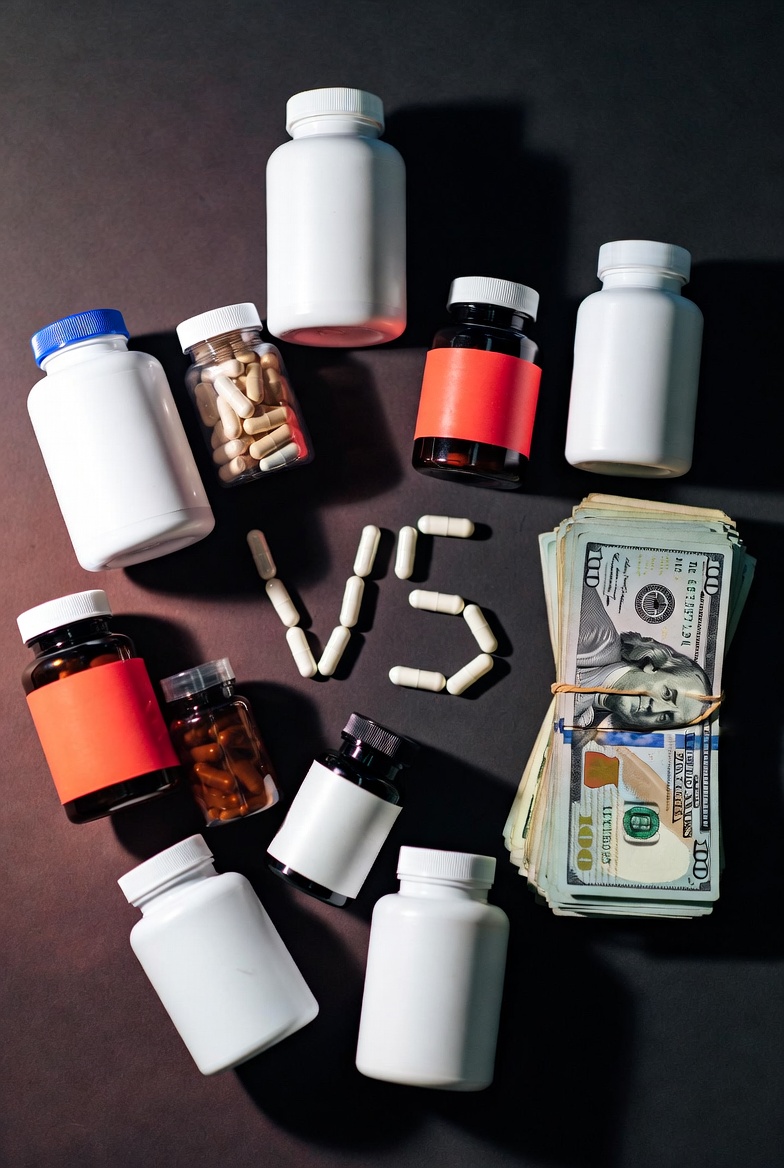
Balancing Supplements Without Making Expensive Urine
I chose to supplement. And yes, you can overdo even good things. We all know that by now.
For years, I kept my supplement spending under $100 a month. As I got older, though, the pill count grew—and so did the bill. It climbed toward $400. Time for a change. I built some simple strategies to chase real health gains—more energy, better mood, faster recovery, lower inflammation, true thriving—without wasting cash or turning my pee into nutrient gold.
We’re after optimal function here, not just dodging old-school deficiency diseases like scurvy or rickets. Standard RDAs are bare-minimum levels to prevent those classics. They often fall short for peak performance in our stressed-out, soil-depleted, processed-food world. We aim for personalized “optimal” ranges guided by how we feel, lab results, and daily life.
Here are 5 key points to balance your supplements smartly and get real wins—not just pricey urine:
1. Supplement to fix real gaps, not chase vague “optimum” health.
Supplements work best when they target actual shortfalls—shown by labs, symptoms, or functional signs. Blindly piling on for “peak” everything gets costly fast and can create new imbalances. Many of us safely aim higher than RDA for nutrients like iron or vitamin A when labs or low energy signal a need. But always monitor. Strong evidence shows a solid diet meets needs for most people. Still, modern life—stress, poor soil, junk food—often leaves gaps food alone can’t fill.
2. Audit your stack regularly.
Know why you’re taking each one? Are you doubling up on the same nutrient from multiple sources? Weigh real benefit against cost: How do you feel after skipping a week? Do fresh labs back continued use? Regular reviews spot redundancies or low-impact items. Drop them to save money and lower risk.
Quick audit checklist:
- List every supplement (including multis) with dose, brand, and clear reason.
- For each: “What exact problem does this fix? What symptom or lab improves?” If the answer’s fuzzy, flag it.
- Track energy, mood, sleep, digestion in a simple 1-2 week journal before and after changes.
- Get key bloodwork (vitamin D, B vitamins, ferritin, RBC magnesium) every 6-12 months.
- Tally monthly cost—if a $20+ item brings zero noticeable lift, rethink it.
- Try a “miss-a-week” test on non-essentials and watch for shifts.
- Review every 3-6 months: Keep only what truly helps. My own audits cut my stack in half. I felt the same—or better.
3. Food is medicine first.
Whole foods deliver nutrients with built-in helpers—cofactors, fiber, synergies pills can’t match. Eggs give easy choline. Carrots and sweet potatoes supply safe beta-carotene vitamin A. Fatty fish cover vitamin D and omega-3s naturally. Build meals around varied proteins, veggies, and low-glycemic fruits. This approach covers more bases, costs less, and adds antioxidants and phytonutrients no pill fully copies.
4. Watch danger zones: Supplements that build up and cause trouble at high levels.
“More is better” fails with fat-soluble nutrients that store in tissues. We often target higher-than-RDA doses for optimal feel (like vitamin D for energy), but blind megadosing without labs invites problems. RDAs are starting points; optimal is personal.
Common risks at excessive levels:
- Vitamin A (preformed retinol): Very high chronic intake risks liver trouble, bone pain, headaches, nausea. Food beta-carotene self-regulates and feels safer.
- Vitamin D: Ultra-high doses without checks can spark hypercalcemia (nausea, kidney stones, confusion). Many aim for 2,000–5,000+ IU/day to hit energizing serum levels (60–80+ ng/mL), since RDA (600–800 IU) often feels too low. Test and tweak. Pair with vitamin K2—D pulls in calcium; K2 sends it to bones and teeth, not arteries.
- Vitamin B6: Long-term doses over 100–200 mg/day risk nerve tingling or numbness. Moderate 10–50 mg helps energy and mood for many.
- Iron: Excess strains organs and causes GI upset—test ferritin first.
- Copper: Too much from supplements can lead to nausea, vomiting, abdominal pain, liver strain, or neurological issues like irritability and fatigue. Toxicity is rare in healthy people, but stacking high-dose multis or standalone copper without need raises risk. Food sources stay balanced; test levels before pushing higher.
Food rarely causes overload—your body regulates it better.
5. Beware hidden risks when stacking without care.
Layers multiply problems: excess from overlaps or tricky interactions with meds. “Natural” doesn’t mean harmless.
Common traps:
- Overlaps in multis + singles push D, A, or Bs too high.
- Herb-med clashes: St. John’s Wort weakens birth control, antidepressants, blood thinners. Ginkgo or high fish oil ups bleeding risk. Turmeric can alter clotting or drug breakdown.
For interactions, free tools shine:
- Drugs.com Interaction Checker (covers many supplements/herbs)
- WebMD Interaction Checker
- Medscape Drug Interaction Checker
- Natural Medicines Interaction Checker
Liver strain from high-dose herbals (turmeric, green tea extract, ashwagandha, black cohosh, garcinia, red yeast rice) deserves attention. NIH’s LiverTox database details risks clearly. Recent reports flag these as rising causes of supplement-related liver issues—start low, watch for fatigue, nausea, or yellowing skin, and stop fast if they appear.
In my own journey, I once took a combo supplement heavy on turmeric and green tea extract for inflammation and energy. After months, my liver enzymes climbed. When I stopped, those numbers dropped back to normal. Lesson learned: even popular stacks can sneak up on you.
Bottom line: Whole-food variety beats megadosing isolates. Big studies show multis don’t cut mortality or disease in well-fed folks (some hint at harm). Diverse eating delivers balance with natural brakes.
Smart moves: Run your full stack (plus meds) through an interaction checker. Prioritize food (eggs for Bs/choline, salmon for D/omega-3s, nuts for magnesium/zinc). Audit quarterly: Keep winners only.
Aim for the smallest effective dose that lifts how you feel and moves labs toward optimal—not RDA floors or blind optimization. Split doses morning and night for better uptake. Stay in budget. Name clear benefits. Lean on food, test periodically, use free checkers—especially with meds.
What’s your supplement story? Ever drop something that wasn’t earning its keep? Share below—I’m always tweaking mine too!
Sources
- NIH LiverTox database (turmeric, green tea extract, and herbal hepatotoxicity): Turmeric | Green Tea
- Copper toxicity overview (symptoms and risks): NCBI / StatPearls
- General nutrient safety and upper limits: NIH Office of Dietary Supplements fact sheets (e.g., Copper)
Leave a Reply