The date on this one is fibbing. We published it June 18, 2026. Ana and I actually sat down to talk back around 2015, when her MINDSET ZONE podcast was fresh out of the oven and climbing the iTunes charts.
A good conversation doesn't spoil. This one aged like a Portuguese stew, the kind you let sit so the flavors settle. The meal ritual. Happiness and health feeding each other. Viktor Frankl and the space between what happens to you and what you do next. Change as one degree on a compass.
All of it still holds. What changed is where you find Ana. Start at anamelikian.com now, not some dusty iTunes link.

Watch the full conversation on YouTube
Subscribe: Apple Podcasts · Spotify · Amazon Music · RSS (any podcast app)
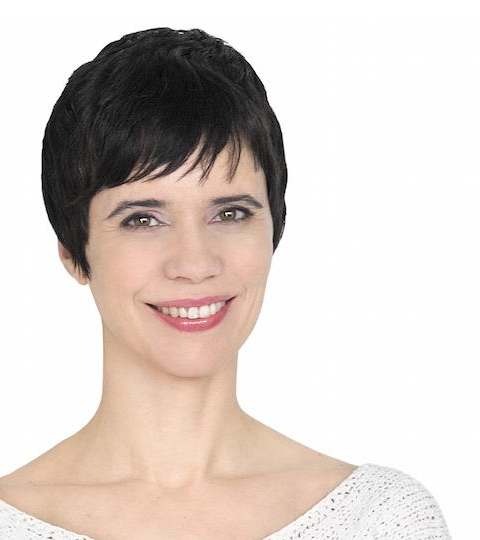 Podcast: Eager to Be Healthy
Guest: Ana Melikian, Ph.D., host of the MINDSET ZONE podcast
Host: Michael Scott Eger
Watch or listen: Original episode on YouTube · Podscan listen page
A Portuguese Farm, and Why a Meal Is Not a Pit Stop
Ana was born and raised in Portugal. Whole food wasn't a label on a box. It was just the house she grew up in. She still remembers the first time her mom cooked something out of a can, or reached for a powder to make a sauce. That's how rare it was.
For a stretch she lived on a farm. Oranges, pears, apples, nuts. She could point to the trees and name them even when they had no fruit on them. In a small village you walked, you ran, you biked. And a meal was not two minutes standing over the sink. It was family. Time at the table. Digestion treated like part of the day, not an afterthought.
That part I know in my bones. When you prep a meal, your body starts getting ready before the first bite. Blood heads toward the stomach. You slow down. You taste. Then you sit, and sitting is the whole trick, because it lets your body spend its energy on digesting instead of everything else.
Ana had to relearn all of it. Travel and a busy life taught her to eat standing up, same as the rest of us. So she worked with a nutrition coach, Irma Jennings, who treats food as your foundation (bones, whole foods) and treats the cooking itself as part of the ritual. Washing the vegetables. A sharp chef's knife and slices that come out even. Nice plates. A table set like the meal matters.
Here's the thing about that knife work. You're doing two jobs at once. You're making something that keeps you alive, and you're making something other people get to enjoy. That's not a chore. That's a small act of art, three times a day.
If you grew up with that and then lost it, you can teach it back to yourself. That's one worth trying.
Happiness and Health Keep Feeding Each Other
I know when I'm happy, I snack less and my bar tab shrinks. When I'm healthier, happy comes easier. The two pull each other along.
Ana agreed, and she named the flip side too. Negative feeds negative. Positive feeds positive. Habits (the ones in your hands and the ones in your head) dig in deep and don't like to move. Mindsets, the way she put it, are just habits of the mind. Ways of thinking you picked up somewhere and stopped questioning.
So the first move is noticing. I'm thinking like this. I'm doing this. As soon as you realize you have free will and options, the quicker we can change our programming. It's a groove, not a law.
Frankl, Chocolate Cake, and the Space to Choose
Ana brought in Viktor Frankl, and the room got quiet. Psychiatrist. Vienna. Survived the concentration camps. Wrote Man's Search for Meaning. Built a whole approach to therapy (logotherapy) around finding meaning even in the worst of it. Frankl's point was brutal and simple: even when almost everything is taken from you, the last of the human freedoms is to choose your attitude in any given set of circumstances. Meaning isn't waiting for you at the end of the tunnel. You build it in the dark.
Despite being imprisoned with no personal freedom, he still got to choose where he put his mind.
Ana loves this line, the one Stephen Covey popularized: between a stimulus and a response, there is a space. In that space is your freedom to choose.
She transformed it into a kitchen analogy. Chocolate cake. Feeling tempted is real. Ana loves chocolate, I love chocolate, no argument there. And nobody walks over, grabs your hand, and shoves the whole slice in your mouth. You do that. Which means you also get to take one bite and leave the rest sitting there.
She treats that little space like a muscle. You can train it. Step one is just remembering you have it.
I simplify it, and make it internal to me. Whatever I think about, I see more of. Tell myself I'm fat and worn out, and my body and my brain go find that story and act it out. Point myself at wellness instead, and wellness gets easier to reach. Landmark Education (one of the schools of thought I bought into hard) calls that instinctual chatter a kind of robot voice playing in your head. It runs on autopilot. And there's a higher part of you that gets to decide whether to listen. That's the choice. Right there in the space.
Change Is One Degree, Not a Mountain
People who want to be healthier (eager to be healthy, you might say) tend to see a mountain. It's so big they never take the first step.
Ana's fix is the best reframe in the whole episode. Don't stare at the mountain. Shift one degree on the compass and start walking. Go a mile like that, and where you land is a completely different place than where you were headed.
Not perfection. Willingness. One better choice, then the next one.
MINDSET ZONE, even back then, was built to be a workout for your head. You go to the gym for your body, or you take a walk around the block. You read a book, or you put on a podcast, to keep your mind moving and open to new possibilities. "Expanding possibilities" is Ana's phrase for it. If a door closes, there's another way to see it, do it, or be with it.
She had the same honest take on meditation, which I appreciated. It can be powerful. It's also not the only path, and it's not only sitting still counting your breath. Curious about it? Give it an honest try. If it turns out not to be yours, there are other doors (a long run, a yoga session, a walk). No fashion pressure. For Ana, a run gets her to the same quiet place a cushion gets other people.
An Accent, a Stutter, and Two Voices You Can't Mix Up
Ana waited a long time to start a podcast. The thing that scared her was her accent. Who's going to listen to someone they might not understand?
Then people started telling her the opposite. They always know when she's the one talking. Her voice is the tell.
I get it from the other side. I stutter, and I edit my stutters out of most episodes, because who wants to hear me trip over a word while they're driving to work. And here's the funny part: on audio, when you can't see a face, our odd voices are a gift. You never lose track of who's speaking. The thing we were both scared of turned into the thing that makes us easy to follow.
Ana pulled a bigger lesson out of it, and it stuck with me. As teenagers, we spend all our energy trying to blend in. Then some of us grow up, start something of our own, and have to do a hard U-turn: decide to be unique on purpose. Accent and all. Stutter and all. Pick what you believe and run at it.
Where Ana Melikian Is Now (2026)
Ana Melikian continues to refine her work.
- Home base: anamelikian.com
- Podcast: MINDSET ZONE, also on Apple Podcasts. Still going strong. The show sends people here now, not to the old mindset.zone link she gave me on the recording.
- Company: Founder of AMAZE Coaching LLC in Phoenix, working with purpose-driven leaders and high performers (more impact, less burnout).
- Book: Mindset Zone: Actualize Your Human Potential (2024).
- On stage: Her keynote now is "The Human Advantage: Riding the 100-Foot AI Wave" (how people stay valuable as the technology roars in). Named to the LeadersHum PowerList 2023.
- The nod she earned early: HuffPost put MINDSET ZONE on its list of "15 Podcasts That Will Leave You Pondering Life's Big Questions," right alongside On Being and the TED Radio Hour.
One more thing, said plainly because she says it plainly herself: Ana is a survivor of three bouts of cancer. It's part of her public story, and it's not what this episode is about. This one stays with food, mind habits, and the space to choose. I just won't pretend the woman handing out this wisdom hasn't lived some hard chapters to earn it.
A Few Things Worth Carrying
- The feed date isn't the interview date. This is a classic, recorded around 2015 and published here in 2026. The ideas didn't expire.
- A meal can be a ritual again. Sit down. The prep counts. Whole food is a practice, not a personality.
- Happiness and health travel together. Your mindsets are just mind habits, and you can catch yourself in one.
- There's a space. Something happens, then you choose, then you respond. Train that space like a muscle.
- One degree is enough to start. The mountain is a story. The compass is a move you can make today.
- Your odd voice is the feature. Accent, stutter, whatever it is. That's how people know it's you.
FAQ
Who is Ana Melikian?
Ana Melikian, Ph.D., hosts the MINDSET ZONE podcast, founded AMAZE Coaching LLC in Phoenix, and wrote Mindset Zone: Actualize Your Human Potential (2024). On Eager to Be Healthy she shares how Portuguese food culture, mind habits, and a one-degree shift help changes stick. Start at anamelikian.com.
What does “change is one degree, not a mountain” mean?
Ana Melikian’s reframe: people who want to be healthier often stare at a mountain and never start. Shift one degree on the compass and walk — a mile later you land somewhere different. Willingness and the next better choice beat perfection.
What is the “space” between stimulus and response?
Drawing on Viktor Frankl (and a line Stephen Covey popularized), Ana Melikian points to the pause between what happens and what you do next. That space is where you choose — like taking one bite of chocolate cake and leaving the rest. She treats it like a muscle you can train by first remembering you have it.
When was the Ana Melikian Eager to Be Healthy episode recorded?
The conversation is a classic from around 2015, when MINDSET ZONE was new. It was published on the Eager to Be Healthy feed on June 18, 2026 (~34 minutes). The ideas didn’t expire; her current home base is anamelikian.com, not old iTunes links.
Where can I find Ana Melikian and MINDSET ZONE now?
Home base: anamelikian.com. Podcast: anamelikian.com/mindset-zone-podcast (also Apple Podcasts). Coaching: AMAZE Coaching LLC. Book: Mindset Zone: Actualize Your Human Potential (2024). Episode listen page: Podscan (linked in the post).
Play the episode above. Let it sit with you like a slow meal. Then, if you want the current, longer version of Ana, start at anamelikian.com. The podcast lives at anamelikian.com/mindset-zone-podcast, and the book is Mindset Zone: Actualize Your Human Potential. Do three small things: subscribe so the next conversation finds you, pick one takeaway (your one degree this week, not the mountain), and drop a comment telling us what landed. And leave the rest of the chocolate cake on the plate, at least this once. Eager to Be Healthy is a value-for-value podcast. If it added something to your day, you can support the show at eagertobehealthy.com/support. We are grateful you are here.
Always consult your healthcare provider before making changes based on health content.
Full Episode Transcript
Ana Melikian: Hi, I'm Anna Malikan and I'm eager to be healthy.
Michael Scott Eger: Listening to the Eager to Be Healthy podcast with my
Ana Melikian: Scott Eager. Learn how to be happy while being healthy and living life to the fullest.
Michael Scott Eger: On this recording we have Anna Malinken. did I say that right? we said that.
Ana Melikian: And then Malikian. That is one of the beautiful things of here of the United States. We have this diversity of cultures and names. So it's al always a a challenge to pronounce.
Michael Scott Eger: I get that. And you're originally from Portugal, right?
Ana Melikian: That's correct. I was born and raised in Portugal.
Michael Scott Eger: Okay. So we both have accents, mine's biological and yours is from a different country.
Ana Melikian: Yep. And that makes us unique.
Michael Scott Eger: It does. Who knows any other podcasters that stutter?
Ana Melikian: But how do you say that was one of the things now I also have a podcast, Mindset Zone. And I I took me a long time to really decide to do the podcast because that was my fear. Who is going to listen with somebody with an accent? because I know that for some people that can be a barrier, something that they are going to listen and go, I I cannot understand her. but I also know that from other side when people decide to try and listen and to focus, they they enjoy and they tell me very nice things about my accent, like you have a lovely accent. I I always know when you are speaking. So make us very s we can take it as a gift. That is my opinion.
Michael Scott Eger: Especially with podcasts when they can't see our face. This way our unique voices make it very easy to understand who's speaking when.
Ana Melikian: Yeah. Totally, totally. And is even for me is being a great learning experience in the sense that every time that I listen to myself I say I have to improve this bit a little bit. So it's part of the journey.
Michael Scott Eger: Yeah, I self edit most of my shows so I know exactly what you're talking about. I spend a lot of time edit editing out my stutters. So because who wants to listen to me stutter while they're driving to work? I mean it's part of my personality, but but anyway, let's get on to subject. I want to make sure that first thing is have you always been healthy?
Ana Melikian: Yes. Yes. It's being I'm being very lucky, thank God in in that r I'm being a very healthy person and I'm very grateful for that.
Michael Scott Eger: All right, and what s of food and wellness philosophy do you buy into?
Ana Melikian: I was very lucky of being born in a country like Portugal and in a family that keeps some of the Mediterranean traditions in terms of food. So we my mum, I still remember the first time that I my mom cooked something out of a can, or that used something in powder to do a sauce was a powder. So so we we the concept of whole food was something that I grow with. So that I think is something that without any doubts is a contribution to my being healthy in general was that upbringing. and then for a young age I also live in a farm so we had the producing the food in the back in the backyard so that helped me a lot and I enjoy eating f all kinds of variety of foods and also had a very active As a kid in a s l living in a small village, we walk everywhere, run everywhere, bike everywhere. So th that I I think are things that give me some some luck there.
Michael Scott Eger: I find that a lot when speaking to people who grew up in foreign countries with agricultural systems that's less industrialized. And it seems that they're much more the culture is much more aimed at actually cooking the food and when you cook the food, even if it's what the health experts call unhealthy, because you're doing it and you're having more control of the ingredients. Your body's more able to digest it. And that's huge.
Ana Melikian: And that Odyssey, because and importantly in Portugal things change a lot in the last ten, twenty years. You see much more healthy habits in terms of food and much more fast food nowadays that there were not there 30, 40 years ago, that for sure. But you are is even but even like that arty traditional food like the stews and all that were done with great ingredients and people took time to eat. Meals is like a family tradition you don't just grab something and b and eat in two minutes no you have a meal you speak you digest and that is I think is part of a healthy lifestyle too.
Michael Scott Eger: Yeah, people don't understand how important a ritual of making a meal is to digestion. The whole th while you're prepping the meal, you're starting to think about it and you're starting to divert blood flow from the rest of your body to the stomach and it's getting pr ready to work. you're you tend to have better ingredients and then you sit down. And sitting down is huge because that allows more energy to be spent on digestion instead of balance everything else. And
Ana Melikian: And that and sorry, keep going, please, sorry.
Michael Scott Eger: Now w when you were growing up, did you meditate or pray before you ate?
Ana Melikian: we my parents were in a we didn't have the tradition of praying before the meal, but we had the tradition that everybody had to be seated on the table before we start eating. And and so was that thing the not was really a family thing. We have have to be together, the the start first course, like a soup, something like that. And
Michael Scott Eger: Okay.
Ana Melikian: Then everybody finishes that first course and then comes the main meal with more protein, and then we'll finish the dessert during the days will be something like fruit. That is something that we have very good in Portugal. That dessert traditionally for the weekdays will be just a piece of a fruit, and on the weekends will be a sweet. And the great thing is that for anybody that goes to Portugal traveling, that's a
Michael Scott Eger: Mm.
Ana Melikian: great place to visit, the beautiful country. You can ask in any restaurant at the end of the meal. You can ask for dessert and select from the regional fruits, from tropical fruits, and that can be your beautiful dessert, much healthier than the sweets.
Michael Scott Eger: Yeah. It's just amazing how we we're it's harder and harder to get traditional ethnic food now as we are standardizing what we serve people.
Ana Melikian: Yeah, but and this another thing and I'm guilty of that because I was with all this traditional traditional starting and but when life starts to get busy, I start to travel first. I went to England, then to Spain, then here to the United States. Was very easy to forget that and go to the convenience of the fast food. Or even if I was putting a sandwich together at home, that is a great fast food. of eating standing up like you are speaking, forgetting the importance of the ritual around the meals. It's so easy to forget. And I had to relearn it, to teach myself back again, no, this is not just we have to sometimes we can make this a ritual and it's good for us at many levels. And I even to I was I felt the need of working with a nutrition coach. to help me regain some of that healthy habits back.
Michael Scott Eger: And what type of nutrition culture do you use?
Ana Melikian: her name is Irma Jennings. She specializes in strengthen your bones and your foundation via all foods and organic foods. So and she has a lot when you're describing the ritual of eating is one of the things that she really stretches a lot and really gives lots of importance. That even the preparation of the meal can be a ritual. the washing of the vegetables. We can make everything to be part of an enjoyable experience. And the eating, to sit down, using a nice china, a nice setting up a table in a proper way to make it beautiful and enjoy that meal as a special thing, not just like another piece of bread.
Michael Scott Eger: Yeah, and you know one one of the things I like of the ritual is just taking that chef knife and slicing the vegetables. Trying to keep it as consistent as possible because what you're really doing is one, you're creating something to keep you alive, but also you're creating a work of art for others to enjoy.
Ana Melikian: Yeah. And and the thing see that's because like I was saying, I was born in a farm. so I I knew where the food was coming from and exactly how where the orange, the trees that give orange, the trees that give pears, the trees that give the apples. So I knew to identify even if there was no fruit there, I knew which trees what w what was, and even things like the nuts and so forth. And now that I have a six-year-old daughter. I I really and sh we live in a city, so we don't have access to that, to the the that experience that I have. I re in the other day I saw in old foods that they had n chestnuts in the in the shell, and I bought them just for showing her where the chestnuts, the walnuts come from. So walnuts in the shell and I I I and the chestnuts, I also bought chestnuts that are the ones that we can cook. So I try always to if I see something in the old food, even if I have to break it or something like that, at least for her to know that things don't come all packaged.
Michael Scott Eger: Well here's the thing, those nuts in a shell, those uncracked nuts stay fresher longer than the than the cracked pieces.
Ana Melikian: And we never overeat them because we have to break them.
Michael Scott Eger: First. Exactly. But you know the thing is then then you can start when you're cracking nuts with friends and relatives, you can be teasing each other how they're cracking it different than you.
Ana Melikian: Yeah, it's that kinda i we I I know that the convenience is something that we all we so easy to fall into the convenient stuff, but we we can try to make that as a challenge. How can we make these things fun? How can make with these things like a a friend's make a piece of conversation even? So why not? Cover some of these good traditions.
Michael Scott Eger: Yeah. Yeah. And you know We talked about food enough and we we know what we love, okay? Now I'm assure assuming you're trying to teach good food to traditions to your little one.
Ana Melikian: Yes, I try to cook always being the dinners here in the house and the old food. I'm thinking that area I'm doing a but why I'm still consider myself quite healthy why.
Michael Scott Eger: just so you know, Anna, I'm I'm getting some compression noise on my end and I do apologize to our listeners. we'll see how much we can clean up in the edit, but yeah. please stand with us. Okay, we're back. All right, so now you are what a psychologist?
Ana Melikian: So my my background is I have a PhD in psychology and when I was in Europe before moving here for a clinical psychologist and teaching in a private university in Portugal. And then when I moved to the United States I decided another transition besides changing continents and changing countries, was also changing professionally. I decided to become a life coach, really focused on personal development. From there I did a detour that I love it to become a business coach because I saw too many life coaches not having a successful business for lack of business skills, and I felt that my calling was helping at that level.
Michael Scott Eger: So w one thing I n we never get to learn about is how mental health care is different internationally than it is here.
Ana Melikian: Yeah, and that was one of the things so they say every country to have advantage and is disadvantage, but there there is any doubt there is difference how things work in the in in in different countries and how people also deal with different problems. That is true.
Michael Scott Eger: Okay. But is there any overwhelming difference or is it just small differences hard to classify?
Ana Melikian: From if we compare Europe to the United States, it's more the access to the healthcare in terms of the mental we don't have the insurance in Europe and now we are I'm I'm possibly the information that I'm I don't know if it's up to date because in the last ten, fifteen years many things have changed. But I remember when I was working in Portugal, most of my clients were paying from out of pocket clients. Okay. They knew that the insurance will not cover. So they they knew if they want the professional help from a psychologist, they had to pay from their own pockets. They could deduct in the taxes there was a button was from their own pocket. And here we you have the insurances that can cover some part of the health mental health care, but there is other inconvenience of the process too, because you are very conditioned. by so many things here in terms of all the rules that there are around that.
Michael Scott Eger: Yeah, don't get me started on health insurance.
Ana Melikian: So it's not it's like sometimes we because I remember when I was working in Portugal, I thought, it would be so nice that the the health insurance will pay also like they pay for it. The things that should say should be covered, like is mental health is physical health, and physical health is mental health. I don't s honestly see that differentiation that we do for mind and body. We can also speak a lot about it. but then living in this country Teach me that's careful with what you wish for.
Michael Scott Eger: And that's a good way to segue it to our next part. Because the reason I had you on a show is my expertise is in mental health. But I also understand when I'm happy, it's much easier for me to spend less money in the bars, eat less sweets, I focus on my goals, enjoy healthy foods, and it it Yeah, I don't know if it's a mindset or anything, but I'll tell you the moment I got healthy it was easier to become happy and when was happy it was easier to get healthy and it's believes that two are two feed into each other to make us a better human being.
Ana Melikian: I totally agree with that. And this the that the the problem is that we fall in these negative cycles that is difficult to break because you like you say they feed by each other and the negative feeds the negative and the positive feeds the positive and so is the we know that any behavioral habit is difficult to break. there are so many research about the people that s stop smoking or any kind or even getting more exercise in your day to day. Any kind of habits, like the word says, a habit that we have. And it's so easy by the convenience of things to get bad habits. And the same happen in terms of our mental habits, because mindsets we can one of the way of seeing mindsets are mind habits that we acquire. based on past experiences, the ways of thinking that we get, this is the way of doing, the way of thinking, and we don't question. So one of the first steps to change any habit, behavioral, mental, is or a pattern of thought, is first become conscious, aware that, I'm thinking like that, I'm behaving like that, I'm doing this. But doesn't mean that this is the only way of doing this. That does mean that I don't have a choice. Because I think sometimes with mainly with the busyness of the day to day, we live too much in that cycle of running, running, running, running, running, and everything is like a trigger that makes us react in a certain way. And we don't realize how much power we are giving away in our lives. Because we really the I love probably you are familiar with Victor Frankel.
Michael Scott Eger: say that again?
Ana Melikian: Victor Frankel. Viktor Frankel was a psychiatrist from Vienna, Austria, that he spent in the Second World War several years in a concentration camp and he survived. He was the only person of his family to survive the concentration camp. And then after the war, he kept developing his ideas and he was an incredible positive person. It's incredible. And one of his famous books is called The man search for meaning. And he also developed a very interesting model in psychotherapy called logotherapy, that is all about meaning, finding meaning. And with in this book, Men Search for Meaning, that is about these experiences in the concentration camp and how we survive, he speaks a lot about the points, so they say the points that we can choose. even with all his outside freedom was limited to the extreme, but how he chose to think and to put his mind in some things and not in others, and how that helped him survive all the ordeal that he went through. And for me the amazing thing is that how can somebody going through this horrible life experiences Can still have an optimist view of people in general. And yeah, the one of the things, one of the inspiring ideas that this book, and then Steve Covey also speaks a lot about Viktor Frankel in some of his books, and there is this beautiful phrase that is between a stimulus and a response, there is a space. In that space. is our freedom to choose.
Michael Scott Eger: Mm.
Ana Melikian: And the and there is another part of the quote that now I don't remember by art, but is that the that thing that for me is that meaning that we think a stimulus and there is response is like an automatic reaction. We see a sweet, we have to eat it. No. We can okay, we can feel compelled to eat the sweet. Totally true. I'm not denying if you give me a nice chocolate stuff, I love chocolate, I feel very tempted to But we have to recognize and we have to give us the thing. We have a choice. It's not that somebody spake us go there with our hand and grab the piece of chocolate cake and stuff it in our mind. It's us that are doing that. And we can decide at any moment of that movement to do something about. Even just have one bite and leave the rest there.
Michael Scott Eger: Okay, cool. So So I'm not as I'm not as well educated in the mental health as someone like you. So I use simpler models. And I use models like just understanding that if I'm thinking about it, I'm gonna see more of it. Mm-hmm. And so if I'm thinking that I'm fat and unhealthy, guess what? My body and mind are going go into those. patterns that are like a fat and unhealthy person. But if I s if I think I'm focusing on wellness, it's easier to focus on wellness. Mm-hmm. And landmark education which is one of the schools of thought I bought into quite strongly in one of the courses talks about how the autumn you know the instinctual part of us
Ana Melikian: And
Michael Scott Eger: It's not us. It's just a robotic language it plays off in our head. there's a higher part of us that controls that. And that's really what our choice is.
Ana Melikian: And that choice that I are part because different modules and the we'll call it different things, but the for me the main thing is that that is like a muscle that we can train. Our capacity to make choices, to see that space between the stimular response is a skill that we can develop. And I think lots of the work that we can help people with is like realizing first that they have that choice, first that they can do something about it, and that there are specific ways and many different ways to do it that help us to strengthen that muscle, that skill that we have.
Michael Scott Eger: All right. So we got another ten more minutes. what would you like to really share with us?
Ana Melikian: The the the main thing and that is one of the reasons why I start my podcast, The Mindset Zone, is really to whatever you have to do, to see that there are always new new ways of seeing stuff. There if a door closed, if something doesn't seem right, there is other ways of doing or seeing or bl or being. So expanding possibilities is my big thing and my b So I I love to help people creating experiences like this conversation that we are having, that hopefully people when they are listening to it, they are going to think, I never thought about that in that way, or this is an angle that I never had thought about before. Just that I think is the beginning for people for help people to change, to shift their perspective. Cool. And and the other thing that I will add because the change and I just in a couple of podcast episodes I focus on this because I think for people when they are deciding to be more healthier, that eager to be healthy, they want they really want to be more healthier, that it's like a big oddysse is like they see a mountain in front of them. And sometimes they don't start walking towards the mountain because they feel overwhelming. with the change process itself. So the message that I want to leave is that don't don't don't think about change like this mountain. Think about change as if you imagine if you just shift an angle or they say if you have like if you want to go in a certain direction and you just shift one degree angle like if you have a compass and you shift one degree in the compass And then you keep walking and if you walk one mile by shifting that one or two angle there, degrees, where you are going to go is a totally different place.
Michael Scott Eger: Yep. And that's one of the reasons this show is called Eager to Be Healthy is because it's not about perfection. It's about striving for perfection. And and it's a showing a willingness to be better.
Ana Melikian: And improving each step of the way and and there will be sitbacks and there will be not good things. And even if you have all the healthier habits in this world, that doesn't make us immune to illness and problems, but we are much better prepared and much more resilient to fight that if we are trying and striving a more healthier lifestyle.
Michael Scott Eger: Exactly. So yeah, and that that's the thing. It's it's training us to have the right mindset and where we can create the potential of the goals we want to achieve.
Ana Melikian: And the going back to the mindsets, like I said before, we can see mindsets as habits of mind, and we also can see mindsets as belief systems that we have. So mindset is this word that we can define in different ways, but that is also the belief system that we have, the way that we see the world is like a g a glasses that we put to see the world. is realizing that it's just the glass glasses that we have, that we can change them, that we can just sometimes for question the things that we believe and seeing things from a different perspective or learning about things can help us just see different possibilities in front of us.
Michael Scott Eger: Cool. All right. So do you have any actionable tips or advice that you could give to our audience?
Ana Melikian: Кіп ліснень туди с подкаст.
Michael Scott Eger: All right. Thanks for the s thanks for the sh shameless co promotion.
Ana Melikian: Yes. No, but it's true. Activities. Do activities that help you to keep on track. Surround yourself with other people that are trying to walk in the same direction that you are walking to live a healthier life.
Michael Scott Eger: And I know you ha you're very proud of your show. I'm gonna give you a extra detailed plug, so I really want you to gush about how great your show is, because it really is.
Ana Melikian: Mm-hmm. and so my sh my podcast is the mindset zone and is really the goal of my podcast is to create a space where I try to create an experience that helps you to see things from a different perspective. So really create like a a a zone for a mindset workout. Like you go to the gym to e to the health club to exercise your body or just go for a walk around your house to activate our body. you can read a book or you can re listen to my podcast mindset zone. Just to keep your mind moving and open to new possibilities.
Michael Scott Eger: And what's your feeling on meditation?
Ana Melikian: Meditation can be extraordinarily powerful a way of practice. But like everything, I would say, because I know that meditation now and mindfulness and all that is a lot in fashion. And sometimes people feel pressure. I have to do that. Yeah. Is a way. Doesn't mean that it's never it is not the only way. So if it's something that you feel fascination about. That you feel interesting about, that you are curious about, try it. Give it a try. Give it a go. But it's something that after trying, you know, this is not for me. There are other ways. And think of meditation doesn't mean very important also, meditation doesn't mean just being seated in a place. Focus on the breathing. That is one one way of doing meditation. For instance, for me one of the more effective ways for me for being in that state of flow and presence for me could be a yoga, doing a yoga session or going for a long run. So also f things can be different things and explore can be exploring.
Michael Scott Eger: Excellent. So everyone should be listening to the mindset zone and is it correct that you made into what's hot on iTunes?
Ana Melikian: So I got in the launch that is that first eight weeks of the podcast that we have we can be listed in the new and noteworthy in iTunes I managed to get number one in business, in the management and marketing, education training and self help health and self-help. So I got all the categories that I was in, I managed to get number one. there so that was an amazing that gives us more exposure. It's the big thing that that does is giving more exposure, make it easier for f people finding our show and create but the the important thing is like you are doing here, creating a relationship and e with your listeners, creating producing great content that people r relate to. That is really what is important.
Michael Scott Eger: Yes, but it's still nice to know that someone with accent or talks differently can s get a message to a large audience. And that just encourages people that are just a little bit different to do what they fear. And that's huge.
Ana Melikian: Totally and yeah, and we don't it's amazing that in terms of the development we we spend the most one of the the the challenge that teenagers have is like they want to melt into their peers. They want to be just one of the others. And is this so much troubling and all that years. And then when we arrive mainly when you decide to be an entrepreneur and having your own business, you have to do the opposite direction. You have to be unique, decide to be unique, embrace your uniqueness, even if it's your accent, and go with it and run with it and really focus on what you believe and make it happen.
Michael Scott Eger: Okay. Anna, wonderful having you on the show. and Namaste.
Ana Melikian: Namaste.
Michael Scott Eger: If you want to hear more about Anna, you should listen to her show Mindset Zone. It's found on iTunes, Stitcher. And what else are you on?
Ana Melikian: and in my website that is also mindset dot zone. So instead of dot com is dot zone, mindset dot zone.
Michael Scott Eger: You you got the dot zone. That's pretty smart. all right. It's wonderful talking to you and I till the next time.
Ana Melikian: Thank you so much. Thank you for listening to the Eager to Be Healthy Podcast. If you liked our show, please give us iTunes. And Healthy B at EagerToBehealthy. com slash podcast.
Michael Scott Eger: Five stars on sign up to become a health dot com slash
Sources
- Episode (published June 18, 2026): Eager to Be He Healthy - Ana Melikian of the Mindset Zone (YouTube) · Podscan listen page
- Recording dated to ~2015 from Ana Melikian's Eager to Be Healthy guest signup (submitted March 7, 2015) and the "brand-new podcast" cues in the conversation
- Ana Melikian: anamelikian.com · MINDSET ZONE podcast · Apple Podcasts
- AMAZE Coaching LLC: amazecoaching.com
- Mindset Zone: Actualize Your Human Potential (2024): Amazon
- HuffPost, "15 Podcasts That Will Leave You Pondering Life's Big Questions": HuffPost Life
- Viktor Frankl, Man's Search for Meaning (as discussed on the episode)
Leave a Reply