Hey Hive — if you’ve ever been stuck in a loop of “did I say something wrong?” and felt embarrassed that you can’t just logic your way out, this one is going to feel like permission to put the question down. Mia Mason spent her whole life inside that loop before she learned it had a name. What she found on the other side became a sketchbook, a five-step pause, and a book that’s helping other people feel less alone. 🐝
In This Episode
Mia Mason was an artist for as long as she could remember — drawing, writing little blurbs of feeling, building stories in her head. She was also, quietly, struggling. The anxiety loops had been there her whole life. But it wasn’t until after college that they got loud enough to name. She just didn’t know the name.
Then she did something most people don’t know is even an option: she found an anxiety specialist — a mental health professional who specializes in OCD. For the first time, someone understood her kind of anxiety without her having to over-explain it. “I didn’t have to be like, well, I know this isn’t technically logical, but…” In that office, with that person, Mia finally got language for what she’d been carrying.
The therapy work itself ran on a track Mia already knew: drawing. Her therapist would explain a concept, and she’d take it home and illustrate it. Some of those drawings became poems. The poems became the foundation of a book — Worry’s Whispers — that blends graphic novel scenes, illustrated poetry, and plain-language education about what OCD is and how it can be treated. She self-published it. She illustrated every page herself. She also has ADHD and finished it anyway.
In this conversation with Michael, Mia walks through her five-step pause for catching OCD in the act, why she calls her worry her “ghost,” and the quiet shift that turned her unhappiest chapter into her happiest one — choosing the thing that makes her world bigger instead of the thing that makes it smaller.
🐝 What You’ll Take Away
- An anxiety specialist — there’s a specific kind of mental health professional who focuses on OCD — and most people don’t know to ask for one until they find out the hard way
- The five-step pause — Mia’s therapist-built sequence for catching the loop in the moment, in the order she actually runs it
- Your “ghost” — Mia’s name for her worry — and why naming it as separate from yourself changes what you do next
- “Do something else” — the active replacement for a compulsion, oriented around what you actually value (for Mia, that’s drawing)
- The cost of compulsions — why staying home, double-checking, and doing the “safe” thing makes your world smaller even when it feels protective
- Drawing as processing — when talking through a thing doesn’t land, illustrating it sometimes does — and why that’s a legitimate therapeutic tool, not a workaround
Episode Chapters
- 00:00 Mental Health Journey and Artistic Expression
- 11:15 Therapeutic Process of Art and Self-Publishing
Meet Our Guest
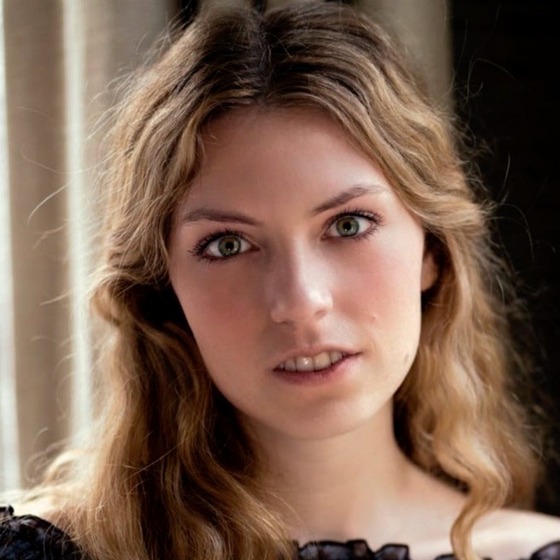
Mia Mason
Mia Mason is an artist, actress, author, and mental health advocate who uses storytelling and illustration to create compassion and connection around anxiety and OCD. Her work explores the intersection of creativity and mental health, blending emotional honesty with advocacy to help others feel understood and less alone.
After being diagnosed with OCD as an adult, she began using storytelling and illustration to better understand her own experience and connect with others. Her debut book blends a graphic novel with illustrated poetry to portray the lived experience of OCD, offering both emotional insight and accessible education.
🌿 Resources from Mia
Start with her website
Find it on Amazon
🐝 Loved this episode, Hive?
Here’s how to keep the buzz going:
Subscribe wherever you listen so the next episode drops right into your feed.
Share this with the friend who’s been quietly trying to logic their way out of a loop.
Leave a review — it’s how new listeners find us.
Got a health or happiness question you want us to tackle on the show? Stump us here.
Want to be a guest? Apply here.
📄 Read the Full Transcript
Mia: Hi, I’m Mia Mason and I’m eager to be happy.
Michael: On today’s episode we have Mia Mason — an artist, actress, author, and mental health advocate who uses storytelling and illustration to build compassion around anxiety and OCD. After being diagnosed with OCD as an adult, she turned her experience into art that helps others feel seen. Her debut book, Worry’s Whispers, blends a graphic novel with illustrated poetry to share what living with OCD actually feels like. Mia, welcome to Eager to Be Healthy. I hope you don’t mind me rewriting your intro — I wanted to make sure it was in my voice.
Mia: I thank you. — “
Michael: Did I get to write this on? All right. Excellent. So have you always been healthy?
Mia: You nailed it. no, I would say not no. for a long time I was — “ really not doing very well mentally. And I think that when you’re not doing well mentally, kind of everything else kind of gets kind of thrown to the side a little bit. But now I’m in a place where I’m a lot more healthy, like mentally. — “ so I feel like I can really like focus on both. — “ my mental and physical health. So, you know, — “ at this point I’m kinda actively trying to figure out like what my body needs. — “ yeah.
Michael: Okay. All right. And have you always been happy?
Mia: “ again, I’m gonna say no, not not always. you know, I particularly like after college, I went through a really — “ difficult — “ time where I was really struggling pretty intensely with OCD. I didn’t know at the time that’s what I was struggling with, and I have had OCD. n now that I know what it is, my whole life. — “ I just I didn’t know it had a name, — “ and that other people experienced this. — “ but anyways, so like kinda after that college time, it got really intense. — “ kind of again, it you know kind of get really intense sometimes my life and kinda like, you know, go up and down. But — “ anyways, I was actually pretty unhappy — “ during that time. But kind of what changed things was — “ I asked kind of for help and I started seeing a therapist who was an anxiety specialist, which — “ is like a mental health professional who — “ specializes in OCD. I did not know that this existed until then. — “ but it is very important to see the right kind of — “ therapist — “ when you have OCD. There’s even like a chapter in my book called Finally. an anxiety specialist. But yeah, it was kind of like the first time I truly felt like somebody understood my type of anxiety without me having to like overly explain things. Like I didn’t have to be like, well, I know this isn’t, you know, technically like logical, but we know, like it was just kind of like they’re like, no, I get it. Like and let’s kind of figure this out. So I kind of started learning about my brain and how it works and why I kept getting like stuck in these like loops of fear. And — “ yeah, it was kind of like me and my therapist figured out like — “ the way I learn best is through drawing. So I started kind of — “ learning like these concepts in therapy. And then as like therapy homework, I was drawing out the concepts. — “ and that’s kind of what became the foundation of my book, which was really cool. — “ and that’s kind of what turned things around for me. It was one getting like help and therapy and all of that kind of stuff, but then also like — “ really like pursuing like this like artistic path that I’ve always, you know, had and — “ always really wanted to pursue, but was always kinda nervous to do it. — “ so yeah, it it ended up being my unhappiest led to my happiest kind of version of myself.
Michael: Well, this is good. It makes you relatable to my audience because the I the people I talk to are the imperfect struggling to be perfect. And we aren’t born with all the answers. we’re not born with — “ with — “ instruction manual. We figure this stuff out as we go. And the thing the leads us to success is the willingness to learn through these struggles. And I think — “ your — “ we’ll get to your book, but — “ I think that the process of documenting your experience has been very therapeutic and this is one of the reasons why I wanted you on the show. So — “ I’m trying to figure it’s so I under well here’s what I understand about OCD and correct me when I’m wrong. Okay. Because I normally am. Okay. So — “ so as far as I understand the condition that makes the patterns of your life overtake some of your free will.
Mia: that’s a yeah, that the that’s you’re definitely like on the right track kind of like with that. so I am not a mental health professional, however, I can kind of give you the kind of rundown of like what OCD is and what it is to me. So like OCD is a this is kind of like the more academic kind of answer, it is a psychiatric kind of condition. — “ it causes really intense worries and unsettling thoughts and obsessions. And then those kind of worries cause a great amount of doubt and uncertainty. And then the person — “ kind of like does something in order to make that uncertainty and doubt go away. — “ so that’s kind of one academic answer. my answer, which I feel like is like more of like a real kind of answer, is — “ that OCD is an anxiety issue for sure, but it makes you kind of feel like whatever you’re worried about in that moment is like life or death. Like it is that urgent and I need to figure it out right now. And it’s all up to me or everything around me. And it’s gonna fall apart. and it It doesn’t always make sense and it’s very weird. don’t ask me to explain why like brains do this stuff and like why I think, you know, certain things — “ or I have certain thoughts that are happening to me. but yeah, it’s just it’s weird. But that’s kind of so you’re you’re kind of on the right track with like it definitely makes your life smaller. — “ and that’s kind of where I was for a really long time. My my world was very small. — “ because you know, we’re I’m doing like things that are called compulsions. So that’s like the doing something about it that makes the anxiety kind of like drop very quickly. but the downside of that is one, like a lot of the times, like for example, like I’d avoid things. So like I wouldn’t go like to an event because I was afraid I was gonna get somebody sick or like whatever it is. But doing like staying home was the pattern that made my world smaller. But actually what was happening, I wasn’t really protecting myself. I was just reinforcing that cycle of, — “ I’m worried. What I have to do about it is stay home. And that made the worry go away. But then your world is so small and like it you don’t really get to go out and experience things. So I like your your your — “ kind of explanation you have.
Michael: So — “ so it’s the compulsions are programmed behaviors that kind of relieve — “ the anxiety. Is that what you’re saying?
Mia: Yeah, yeah. it’s kind of like what you’ve kind of learned to do — “ that makes that like anxiety go away — “ very like quickly. But the downside of it is the compulsion enforces the belief that you have to do something about that thought to make worry go away very quickly rather than it like going down. — “ and what’s interesting is like, and I didn’t know is like you can’t control like thoughts and like worries that like happen to you. — “ like everybody gets weird thoughts in their head, just people with OCD gets a little stickier, right? So it’s like a little more frequent, maybe, and it stays hangs out around there for a little longer. But what you can control is what you do about it, even though it’s very difficult to control that and it takes a lot of work. And like dedication to to really trying to we we want to eliminate them essentially, but you don’t like you’re not doing nothing instead of, which kind of brings me to like doing something that you value rather than doing like something that keeps you isolated and alone. — “ when you feel like, — “ I want to do something that’s like a compulsion. I’ve kind of shifted that to Okay, I don’t like I’m we’re gonna get somebody sick instead of staying home. Maybe I’ll text my friend. Like it doesn’t have to necessarily be like, you know, radically different, but — “ it’s something that is like what you’re gonna do to kind of add value to your life rather than making your world smaller.
Michael: So do you use pattern — “ interrupt what tech or what other technologies do you use to — “ kind of — “ reset your pr — “ your your behaviors?
Mia: Yeah, so it’s you know, it’s different for everybody too, because there’s so many different like options of treatment out there. but for me, I’ll speak like on what my experience, — “ I did — “ a lot of exposure therapy, which was — “ interesting, which it talks about in the book a little bit. — “ which is basically like you are kind of like facing your fear in like a in a safe way that’s — “ like you’re in you’re in charge, which I talk about in the book too. So it’s like You sorry, we might need to start this question over. I have something in my throat. — “ my gosh, I just like shows like tweeting on the air. Sorry, can do you mind if we go back?
Michael: Yeah, sure. So so the question was, do you use pattern interrupts? What type of tech or what other tech type of technologies do you use to like reset your brain into a more functional normal?
Mia: “ yeah, that’s that’s a great question. So I’m gonna kind of just speak on what I’ve kind of developed. — “ I’m actually gonna talk about so I have these five steps that I do that I came up with in therapy with my therapist. — “ so step number one is like I say take a take a breath, which just means like let’s pause. So like scary thought kind of happens, and it’s like, — “ okay, I’m gonna like start thinking about all the things and wanting to ask people like, did I say something wrong or whatever? it’s like, okay, we’re gonna take a breath. All right. And then I ask myself, is this about and this is specific to me, doing something wrong, saying something wrong, or like something being wrong? So if the answer is yes, I’m like, okay, this is OCD, or what I like to call my ghost. — “ but and it so I’m like, it’s this is my ghost, this is worry, and it’s just trying to scare me right now. — “ and then I’m gonna accept kind of that — “ worry is present and it’s hanging around. — “ and I’m not gonna try to change that, but now what I’m gonna do is I’m gonna do something that — “ I like value, which is what I call do something else. So basically what I’m gonna do next is is usually like something like for me, art is like really important to me. And it also is something that I found is very successful in like — “ kind of I almost like want to say like waiting the worry out, like cause you’re not trying to get rid of it. we’re just trying to like ride kind of the wave with it and kind of drawing and creating — “ really helps me — “ do that, which is why this book is so important to me. But — “ yeah, so like the point is like in instead of kind of like, — “ I’m I’m so worried, I’m just gonna kind of be in a ball, which that really was me for a very long time. Instead, I still feel worried and I still feel awful, but look at this cool thing I made while I felt not good. And it doesn’t really change the fact that it’s hard, but at least you’re choosing to do something that like brings you value and makes your world bigger.
Michael: Okay. So so the that’s the that’s your pattern for — “ pr moving on and f functioning?
Mia: Yeah. — “ and it’s hard. It sounds a lot easier than — “ it is. And and this took me quite quite a bit of time to kind of make really automatic. I used to have to write — “ down these steps or like type them out. — “ because I had a hard time like kind of like being like, Okay, wait, what do I do again? And like I was so like worried and panicked, — “ that I really needed to like take this step to kind of write it out. — “ But now it’s and then I kind of move to like, okay, let me list it out like in my head. And now it’s so much more automatic. Like I’m like, — “ I know like this is a scary thought that’s happening. But like and then I just kind of like really go through that kind of more like automatically and then like kind of go do something else. But it’s not easy. — “ and it’s not always automatic. Let me be very clear. it’s it’s still like a lot of work and — “ you know, recognizing and choosing to do — “ something different. But — “ yeah, it sounds very simple when you kind of like say it. it’s like, — “ do something else. But that’s not really like, you know, the whole story of that. — “ but yeah.
Michael: Okay. So — “ So — “ let’s talk about the therapeutic process of art.
Mia: Yeah.
Michael: Just should I guide you into this conversation?
Mia: Yeah.
Michael: All right. So what was the first what was the first realization that art was key?
Mia: “ yeah, so — “ I’ve always been an artist, like as long as I can remember. — “ I’ve always loved like storytelling and drawing, and it’s something I never really outgrew. — “ and it’s kind of something I’ve always gone back to, just like you know, I’m I’m very interested in it, and it does kind of have like a comfort like level like in it. — “ just the act of like creating something. — “ but I think really like you know when I was really going going through that like really difficult time that I was talking about before, I was actually like writing little like blurbs of things like how I was feeling — “ and just kind of like you know having those like written out and like doing like small drawings. And those would kind of later turn into like the poems. But that I didn’t really realize like at that point, like that was kind of helping me like process things. It was really when I started drawing in therapy, with my therapist, like drawing like concepts out and like — “ different like feelings. I was like, — “ this really like I understand this better than verbalizing things. and I have the ability to like process this better, like by being able to like think out like how do I create this in a visual way. So like by kind of like taking in that information, having to really think about it and like play with it and like pick it apart to figure out how I’m gonna display that like visually, I think that’s really what — “ got me like connected in a way to what I was learning and feeling more than I like ever had in my life.
Michael: Okay. So the art — “ started creating a narrative. — “ I mean walk me through this. Yeah.
Mia: “ Okay, so great, great question. So it started out as kind of like these drawings, right? And then I was telling you about the kind of the poems and like the blurbs that I was writing. — “ and then it was kind of through it was really my it was really was my therapist. He’s awesome, but like he was like, I really think it would be cool if you put this — “ together in some kind of like visual format of like a — “ book that either, you know, shows your experience or, you know, helps others or kind of like educates, like put it out there, which for me was like a really scary thing to do because I mean, of course, drawing it and creating a book is kind of a daunting task. But like for me, putting things out there is like the scariest thing. Like I’m I’m so worried it’s gonna like come back to me and like someone’s gonna be like, — “ you did something wrong, even though it doesn’t feel like that’s you know, to most people, probably any reason while there might there be anything wrong. But anyway, so the book looked a lot different at a lot of different points. So at one point it was all me drawing like graphic novel like scenes through like different scenarios of like, you know, being like worried and like doing like things and like life being interrupted. And then at one point it was all poems and no drawings. And then — “ it was kind of like when I decided to or what really made the whole like thing work and what took the longest was like really figuring out this format. — “ I knew that I wanted drawings in the book. I knew that I wanted poems in the book, and I knew that I wanted some sort of high level kind of education, like about what OCD is, available treatment options, and you know. kind of just like a little like sneak peek of what like therapy could look like. — “ so once I kind of decided I wanted those three things in there, — “ it became easier to like make that format. So what I ended up doing was I wrote a bunch of poems. And then — “ from the poems, I picked out kind of like one that gave or I think there’s 14 in the book. — “ they gave like a nice spectrum of like what O C D is, like — “ in a non-stereotypical kind of way that really covered like a lot of ground. and then I put drawings to the poems that I picked. And then when I like arranged them, which I thought was the most fun part, so it kind of like created like I’m struggling like a lot. And and it’s the book also it’s not — “ it’s not like completely autobiographical. it’s based on my very real experience with it, but it’s not 100% like an autobiography, but I put like at the top of it, like, you know, we’re having poems and drawings where there’s lots of struggle and isolation and loneliness and fear. And then like the more you kind of move through it, — “ she asks for help. — “ we get into this like graphic novel portion, it kind of breaks out into which is like more of that like educational, like high level kind of what OCD is type stuff. And then as you kind of go through the book, it’s like we still see a lot of struggle, — “ but we also see a lot of hope and like resilience. And by the end of it, we’re really like cheering for for Drew, our main character, to kind of like figure all this stuff out. But yeah, that was kind of like the process of it. — “ yeah, it was a lot of fun.
Michael: Now did you do this while managing a day job?
Mia: “ yes, I did. I had I was writing it for it took me like a like because I was going like through therapy and working, like it was about like two years like up a process, but it was really figuring out what I wanted it to be that took that long. It was really written in probably about like eight months or so. — “ But yes, I did have I had a few different jobs during during this couple part time jobs, couple full time jobs. So not all at the same time, but you know, like throughout the process.
Michael: that’s no but the as someone that is starting to create content myself, — “ the hardest portion is actually the structure that limits you. And the thing is you want to go here, you want to go there, but then you become so diffuse you lose your focus.
Mia: Yes. Yes, you are yes, so relatable. I absolutely feel that and I struggle with that in general quite a bit. — “ I also have ADHD, so it’s it’s — “ you know, kind of a thing. And then also just think like artists and creative people like to go like lots of different directions. — “ but you know, that you know, the ADHD does not always help. But — “ I really like I’m still really working on this, honestly, but I started a Google Calendar, that’s been nice. And really like putting like time limits like on things. Like, okay, I need to do like drawing for this long. Now I’m switching to poems. But it’s very difficult. And yes, I was all over the place and still am a lot of the time. But but we’re working on it and it’s it’s getting a lot better. So
Michael: Yeah, I actually had to hire a guy by the name of Mike Vardy. Yeah. I interviewed him. — “ he’s got his own podcast. — “ but he was very good at systematizing my — “ my structure.
Mia: “ yeah. No, I’ve definitely helped with that as well. So — “ yeah, that’s great though. I feel like once you again, it’s kinda like what I was saying about like the book and its structure. I feel like once you kind of figure out the way it works for you, then everything kind of starts falling into place. it’s just that figuring it out is very difficult.
Michael: Yeah. Yeah. So so you had the structure, it came together. — “ did you — “ illustrate the whole thing yourself?
Mia: I did, yes. I really am proud of that. That I ended up illustrating it myself. I also did like the layout of it, the cover, I did all of that. — “ which was a really cool process. Like I that that took a while, but I’m really glad I know how to do that now. it’s a it’s a pretty cool thing.
Michael: I’m in the same boat. I learned I learned how to run political campaigns for myself. I learned how to do graphic design. I learned how to edit audio. I learned how to write websites. I learned how to program. One thing I’m not good at is art.
Mia: Awesome. Yeah. I think it just takes practice like anything else, you know? I think, you know, the desire to create something is if it’s there, you you can do it.
Michael: I’m more I’m more in the layout, let’s start.
Mia: that’s awesome. that’s art. That is art. Yeah.
Michael: But the point is the point is in and the ADHD brain will will always seek out stuff that they found interesting sometimes because it’s useful. Yeah. And some the thing is the guardrail thing is sometimes we have to decide yes that yes it’s useful, but we could outsource it. Yes. Or we could — “ we could yeah, — “ we could — “ just not do it.
Mia: Okay. Yeah. No, I feel yeah.
Michael: And we can spin our wheels learning all these things and taking away from our focus, but I’m glad that the book gave you structure.
Mia: Yeah, it did for sure. And it yeah.
Michael: And the pi — “ pictures behind you? Are they yours?
Mia: No, I wish they were though. — “ they’re just prints of a artist. — “ my dad gave them to me actually. So like yeah.
Michael: All right. So so the bo — “ the books went out when did the book come out?
Mia: The book came out at the end of 2025, I think in November. So it’s been out for a little little bit here, not not too long, but yeah, it’s on Amazon. — “ but yeah, it’s — “ I’ve been I’ve got a lot of like great feedback — “ from it because you know, publishing it was kind of the scariest step for me. — “ just like on the O C D front and of it all. But I Yeah. I really couldn’t be happier with with the feedback that I’ve received from it. it’s kind of incredible actually. I really don’t understand it like fully, like — “ how like amazing it really is, you know.
Michael: on TPF. Okay. And did you publish it yourself or did you — “ did you find a publisher to promote it?
Mia: You know, I did think about doing that like a publisher kind of route and I explored that option, but I really decided — “ I wanted to publish it myself. Okay. — “ so I started a like a little publishing company and — “ I really wanted the book to be what I wanted it to be and I didn’t want to kind of risk like having anything sort of like changed or like watered down or Or anything like that. Not saying that would be the ultimate outcome of it, but I just like the idea of it being like something that was completely mine from start to finish.
Michael: Gotcha. And you you got that control by self publishing.
Mia: Yeah, which is nice. And it was also hard though, ’cause it was like all up to me to to get make it happen. So — “ but yeah, it was definitely a challenge.
Michael: And you also had to set limits to actually finish it.
Mia: “ yeah, no, that was insane. I think that’s probably one of my greatest achievements to date is actually completing and putting out this book because I don’t typically finish things. I start a lot of things, but this was something I started that I knew that I had to finish.
Michael: Yeah, the typical — “ ADHD brain, we pick up a lot of things, we might juggle them, but in the process, a lot of things fall on the ground. Yes. And the only things that stay up are the things that we find truly interesting. Okay. So the — “ so have you done any book tours or anything like that?
Mia: Agreed. Yes. not really. I’ve been doing lots of podcasts. This is kind of my door. — “ but I’d like to do that. I’m — “ probably gonna start doing some kind of like poetry readings — “ around. I’ve done a few like virtual things, — “ and stuff like that, but but podcasts I’ve been on quite a few of those. — “ and then I’ve started writing volume two of the book. Yeah, so I’m I’m excited for that.
Michael: Sounds good. And the book’s called
Mia: Worries whispers.
Michael: And it’s available on Amazon, right? Okay. Any other booksellers?
Mia: not right now. Amazon is the main one. I’m also like on TikTok and Instagram though. I do like a lot of cool projects there and — “ lots of fun kind of videos that talk about like OCD and mental health and just kind of being happy doing what you like and even if you’re worried. — “ but yeah, that’s also worries whispers, — “ as my social stuff.
Michael: Okay, sounds great. — “ I with great gratitude, I r I really appreciate that you came on the show and I wish you the success and happiness of being a published author. Thank you.
Mia: You so much. And thank you so much for having me. This was wonderful.
Leave a Reply